What is Craftivism?
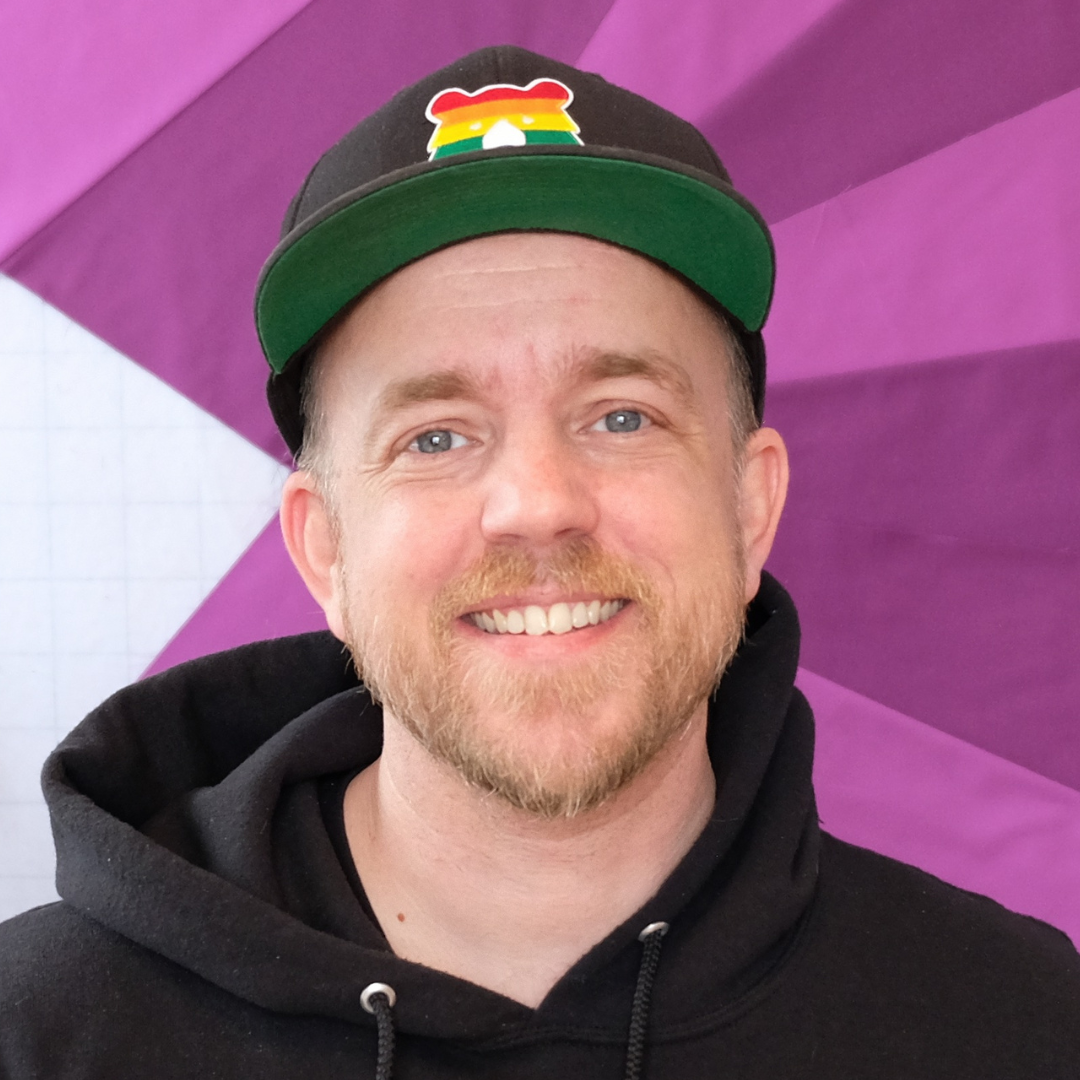 Ian Danger Capstick
You've probably seen the word "craftivism" somewhere, on Instagram, at a quilt show, maybe in the description of a certain podcast. It sounds like it should be self-explanatory: craft + activism. But the practice goes back a lot further than the word, and it's weirder, angrier, and more interesting than the hashtag might suggest.
The Short Version
Craftivism is the use of craft, sewing, knitting, weaving, embroidery, quilting, ceramics, any handmade practice, as a form of political or social resistance. The term was coined by writer Betsy Greer in 2003, but people have been doing it for centuries. Penelope stalled her suitors with a loom. Gandhi spun cotton as an act of anticolonial defiance. Suffragettes sewed silk banners that were designed to be beautiful enough to stop people in their tracks.
The idea is simple: making things by hand is a political act in a world that wants you to buy everything, feel nothing, and move on.
Where It Comes From
If you want the deep history, I wrote about it in The Radical Roots of Craftivism, tracing the practice from Homer's Odyssey through the American Revolution and the AIDS Quilt. Here's the abbreviated version.
Textile production has been tangled up with power for as long as cloth has existed. The British Empire ran on cotton: stolen land, enslaved labour, and a deliberate campaign to destroy India's textile industry so that raw materials would flow to English mills instead of Indian looms. When Gandhi picked up a spinning wheel in the 1920s, he wasn't making a fashion statement. He was rebuilding an economy that colonialism had dismantled.
During the American Revolution, women organized spinning bees as acts of resistance against British imports. During the suffrage movement, artists like Mary Lowndes created workshop programmes to teach banner-making techniques, appliqué, silk painting, embroidery, specifically to make protest visible and beautiful. I wrote about this in How We Learned to Make Our Dissent Visible.
The AIDS Memorial Quilt, begun in 1987, remains the largest community art project in the world. It was explicitly designed to give weight and warmth and individuality to lives that the government was content to let disappear as statistics.
What It Looks Like Now
Today, craftivism takes a lot of forms. Some people embroider data visualizations about climate change (like Bonnie Peterson). Others sew quilted portraits that recover erased Black histories (like Stephen Towns). There are mosaic artists covering houses with political messages that can't be taken down (like Carrie Reichardt). There are blacksmithing collectives building inclusive spaces in traditionally exclusionary trades (like The Society of Inclusive Blacksmiths).
Organizations like Sara Trail's Social Justice Sewing Academy teach young people to tell their stories through textiles. Community quilting projects bring strangers together to process collective grief, anger, or hope.
My own contribution is relatively small: I make wearable quilts for each colour of the Pride flag and protest banners for causes real and imagined. I also host Art Against Empire, a podcast that tells some of these stories in more depth.
Why It Matters
There's a temptation to dismiss craftivism as "nice" activism, softer and less confrontational than marching or organizing. But that framing misses the point. Craft has always been the work of people excluded from formal power: women, colonized peoples, the working poor. Using it as resistance isn't a gentler alternative to "real" activism. It's a continuation of something that predates modern protest entirely.
Making something by hand forces slowness in a culture addicted to speed. It creates physical objects that take up space and persist in ways that tweets don't. And it builds community, sitting in a circle stitching with other people changes how you relate to them and to the work you're doing together.
Where to Start
If you want to explore craftivism yourself, a few entry points:
Make something. It doesn't have to be good. Kim Werker literally wrote a book about making ugly things on purpose.
Join a community. The Quilty Nook is one. Local quilt guilds are another. Many cities have maker spaces with textile equipment.
Make a banner. I put together a free workshop on banner making that covers lettering techniques, supply lists, and guided projects.
Listen. Art Against Empire explores these stories in depth, episode by episode.